

Vaccines
Vaccines

Vaccines are biological products designed to stimulate the immune system to recognize and protect against specific infectious diseases. Vaccine technologies encompass a broad range of platforms, including live attenuated, inactivated, protein subunit, polysaccharide, conjugate, toxoid, viral vector, mRNA, DNA, and virus-like particle (VLP) vaccines. Each platform relies on distinct scientific principles and manufacturing processes, resulting in a wide spectrum of production requirements, facility configurations, biosafety considerations, process technologies, and supply chain needs across the vaccine industry.
Key Issues
Vaccine manufacturing facilities present unique design and operational challenges due to the diversity of vaccine platforms, production technologies, and biosafety requirements. Manufacturing approaches vary significantly across traditional and emerging vaccine modalities, resulting in a broad range of processing, containment, and facility design needs. Regardless of platform, facilities must maintain rigorous control of contamination, product quality, and process consistency throughout development and commercial production. Because many vaccines cannot be terminally sterilized, aseptic processing, environmental control, and robust contamination-prevention strategies become critical considerations in both facility design and operation.
How Fluor Helps
Fluor partners with vaccine manufacturers to plan, design, build, and validate facilities across a wide range of vaccine production platforms. Our engineering, procurement, construction management and validation (EPCMV) capabilities span new facilities, expansions, modernization efforts, and capacity optimization projects. By combining deep life sciences expertise with proven project execution practices, Fluor helps clients address regulatory and biosafety requirements, enhance manufacturing efficiency, and deliver facilities that remain adaptable to evolving product portfolios and market demands.
Process Features
Vaccine manufacturing processes vary significantly by platform and may involve microbial fermentation, mammalian or other cell-culture systems, viral propagation, purification, formulation, and aseptic fill/finish operations. Emerging platforms such as mRNA introduce additional specialized process technologies and manufacturing requirements. Across the industry, manufacturers are increasingly evaluating intensified processing, single-use technologies, advanced automation, and enhanced process monitoring to improve flexibility, productivity, and manufacturing performance. These approaches can help facilities accommodate multiple products and production scales while responding more effectively to evolving product pipelines and market needs.
Facility Features
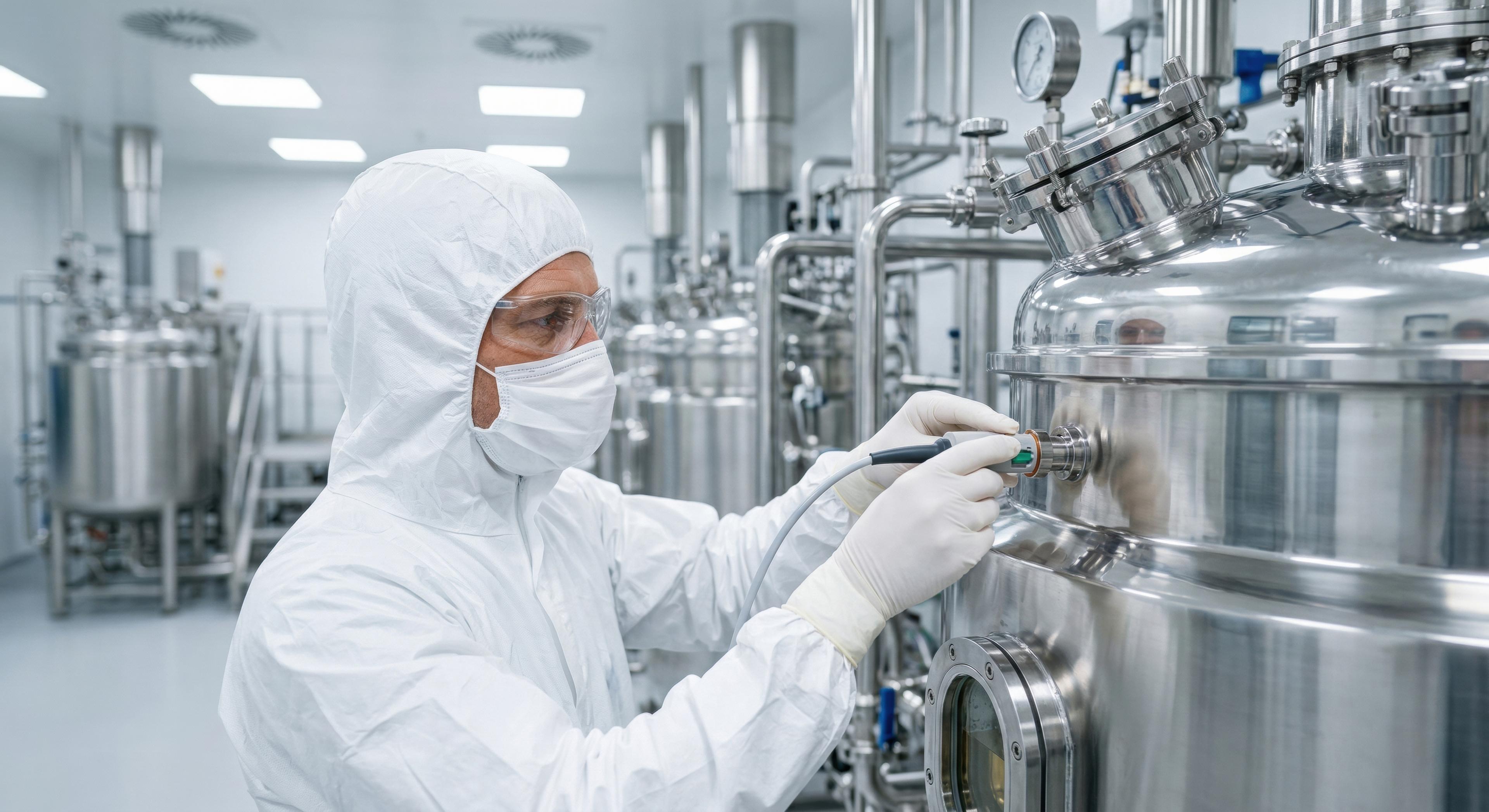
Vaccine manufacturing facilities are designed to provide the flexibility, containment, and operational reliability required to support diverse production platforms. Key design considerations include appropriately classified cleanroom environments, effective segregation of personnel, material, product, and waste flows, and infrastructure capable of supporting stringent biosafety and regulatory requirements. Facilities are increasingly leveraging modular and standardized design approaches to improve scalability, accelerate project delivery, and accommodate future expansion. Growing attention is being placed on sustainability, energy efficiency, digital integration, and lifecycle adaptability to support long-term operational performance and evolving manufacturing needs.
Fluor Projects
Mycoplasma Capacity Extension Facility
Location: Hungary
Scope: Engineering
Fluor provided basic design services for a Mycoplasma Capacity Extension facility developed to support increased demand for live poultry vaccines. The new facility utilizes fermentation technology for antigen production, with primary fermentation conducted in 2,500-L and 4,000-L fermenters. Following fermentation, the product is filtered and stored in preparation for final packaging.
Wyeth AB13v
Location: Andover, Massachusetts
Scope: Engineering, Procurement and Construction Management
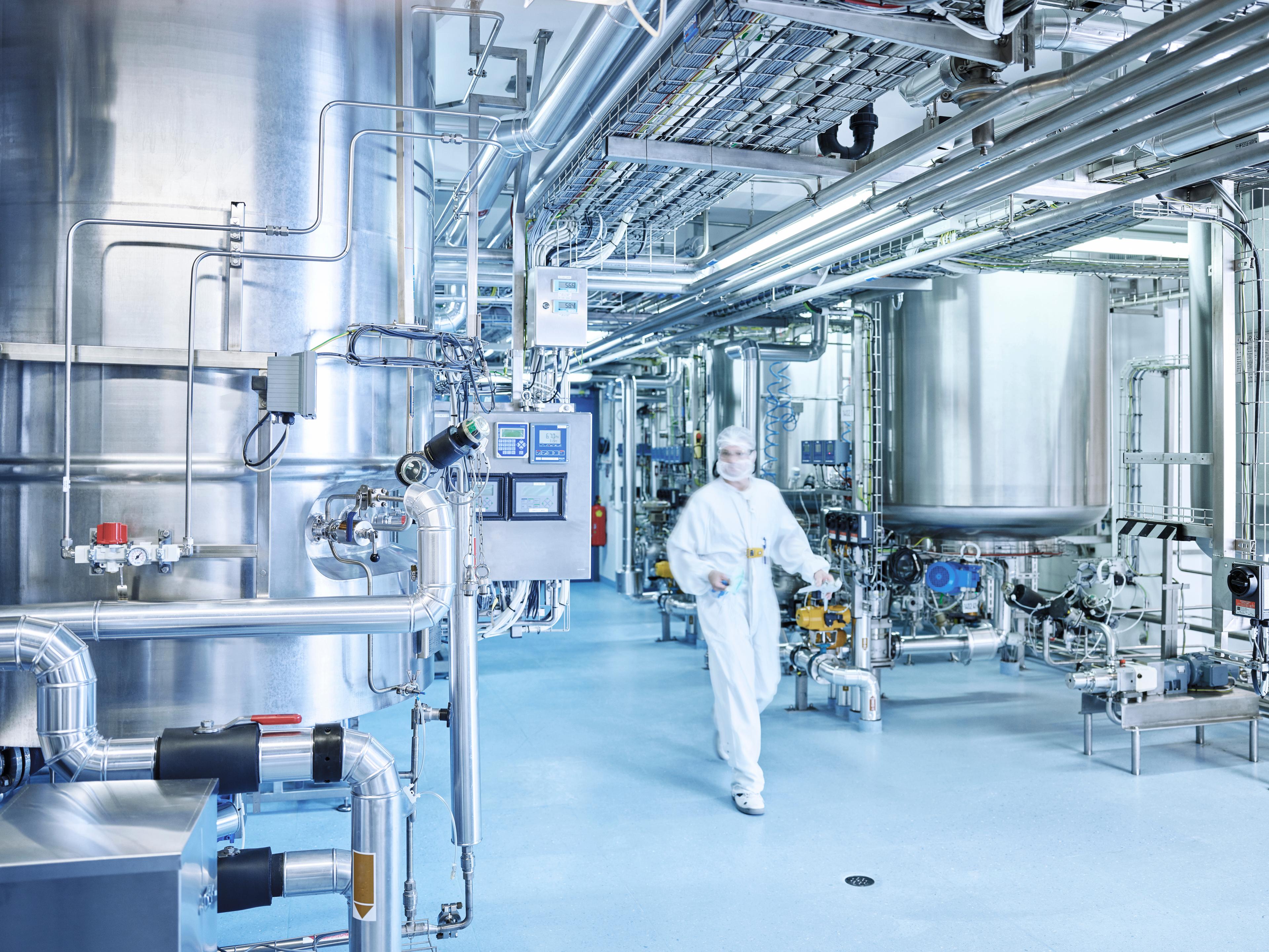
The pediatric vaccine manufacturing project involved the retrofit of existing suites to support expanded vaccine processing capabilities. The project scope included media and buffer preparation, fermentation, harvest and recovery, purification, and associated support functions.
Wyeth Train 1 Conversion
Location: Sanford, North Carolina
Scope: Construction Management and Procurement
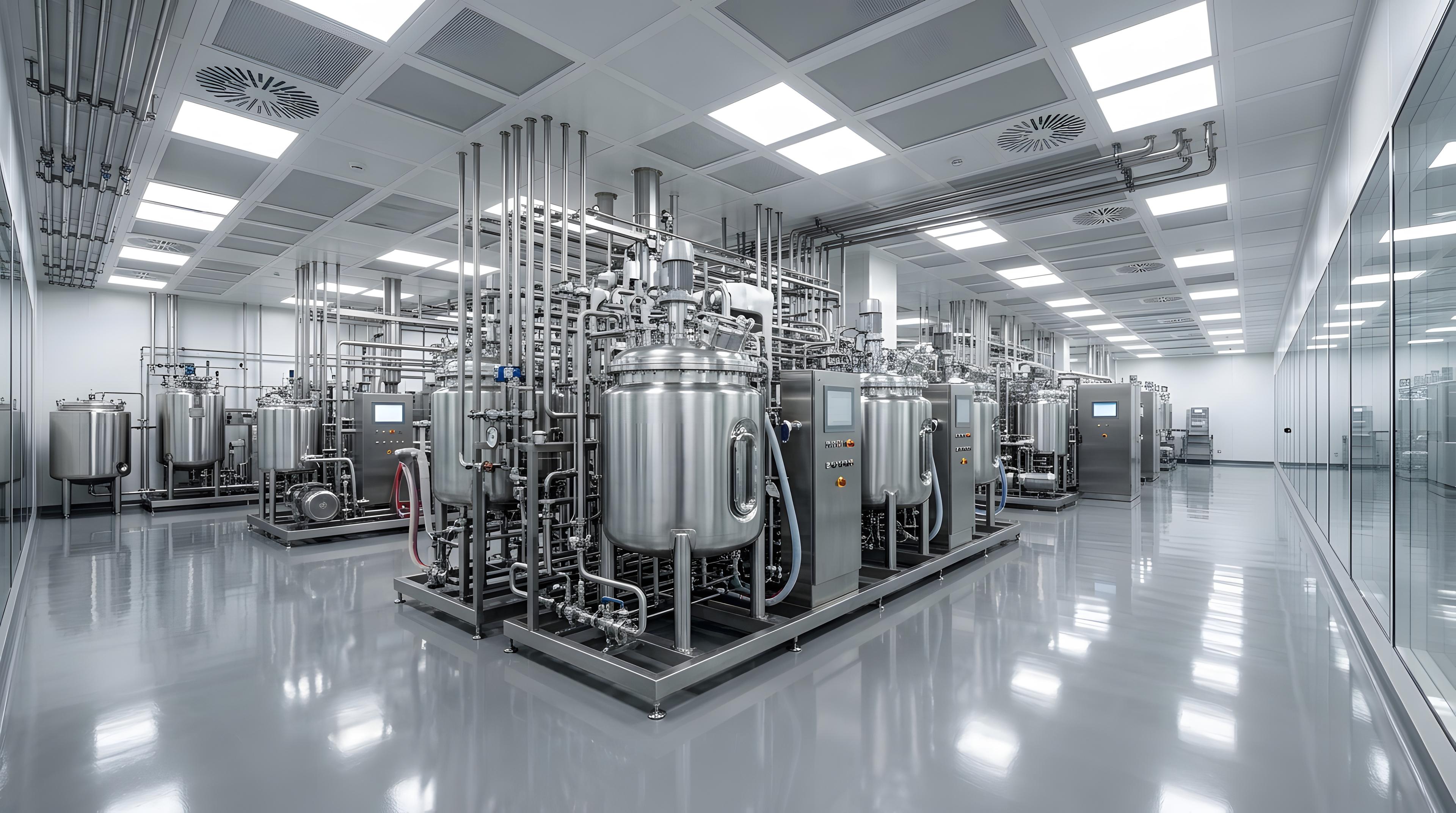
Fluor provided construction management and procurement for this multimillion dollar, multiproduct biological vaccine manufacturing and purification facility for Wyeth. The three-story greenfield facility has 110,000 square feet of production space and 20,000 square feet of support and mechanical space. It contains two fermentation trains (referred to as Train 1 and 2) with a total of six fermentors, two purification suites, buffer preparation, media preparation, and chemistry areas. Fluor used a modular construction approach on several areas of the building to increase schedule certainty. Fluor built Train 1 and Train 2 at the same site. Consequently, there was no learning curve for Train 2 construction.
Varicella Production Facility
Location: Belgium
Scope: Engineering
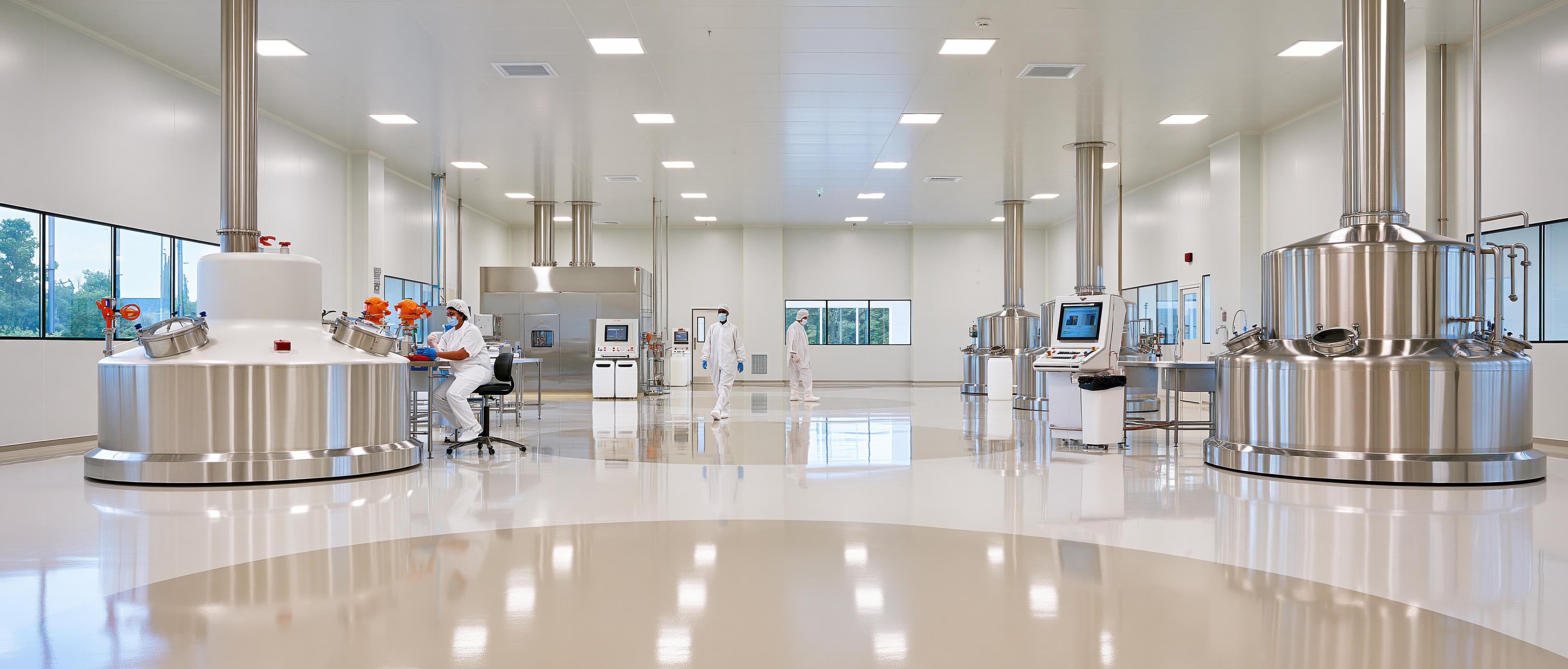
Fluor executed a study to develop a long-term facility strategy for robust Varicella vaccine production. The study incorporated process improvements designed to increase yield and optimize the classification of production areas. The proposed solution also considered antigen-bulk safety-stock requirements during the transition to help maintain continuity of vaccine supply.
VMRD Production Development Facility
Location: Nebraska, United States
Scope: Engineering
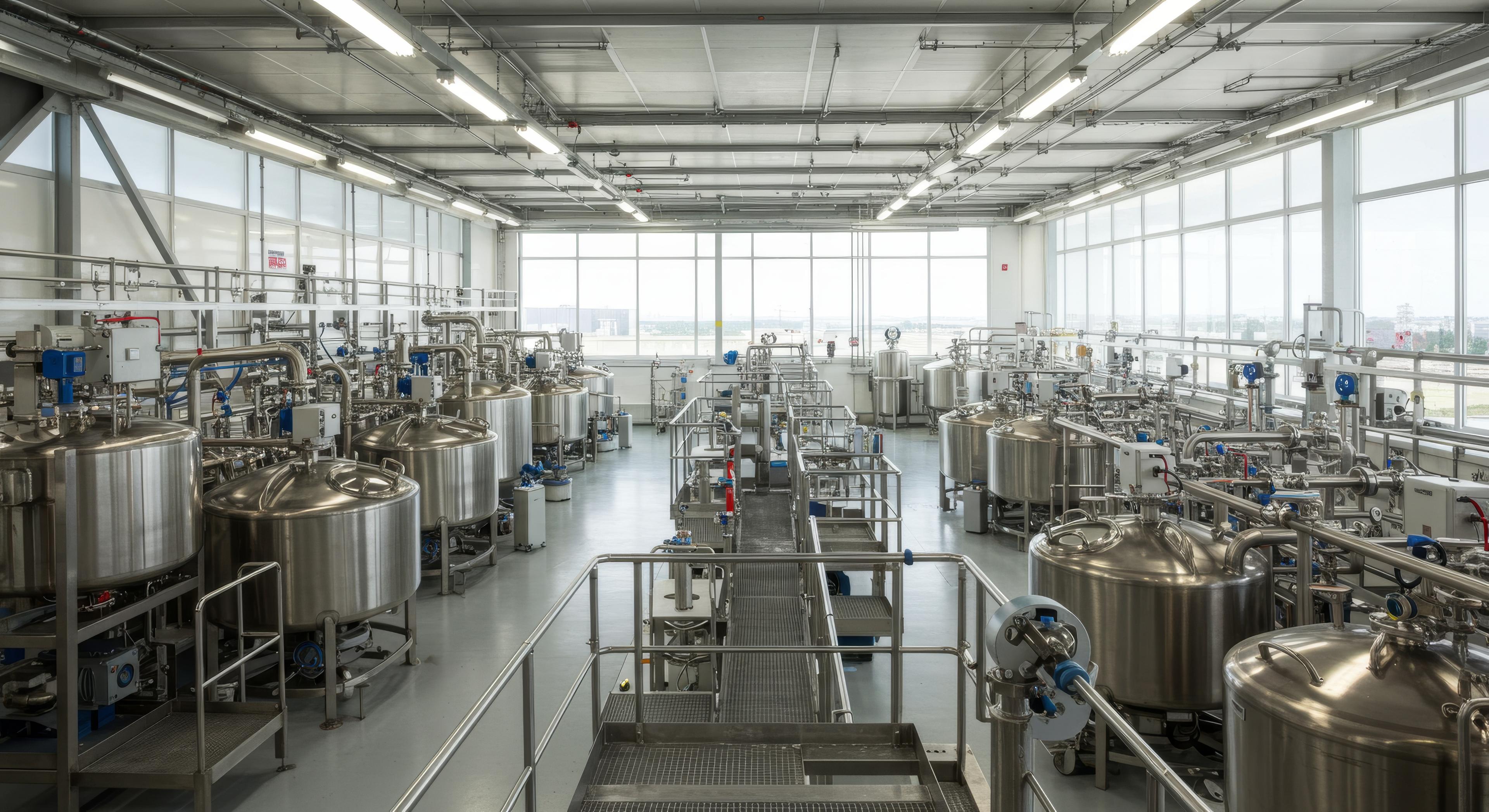
Fluor provided detailed design and construction support services for a 13,000-square-foot remodeling of a portion of Building 1 to provide pilot scale production of veterinary vaccines. Manufacturing activities included viral and bacterial fermentation and bioreactor functions carried out in separate suites designed for biological containment and product segregation. Downstream functions included blending and fill/finish processes with supporting wash and staging areas.
Business Inquiries
Contact Fluor's sales team to learn how Fluor can help you with your business needs and what solutions Fluor offers in your industry. See the buttons below for questions on other topics.